
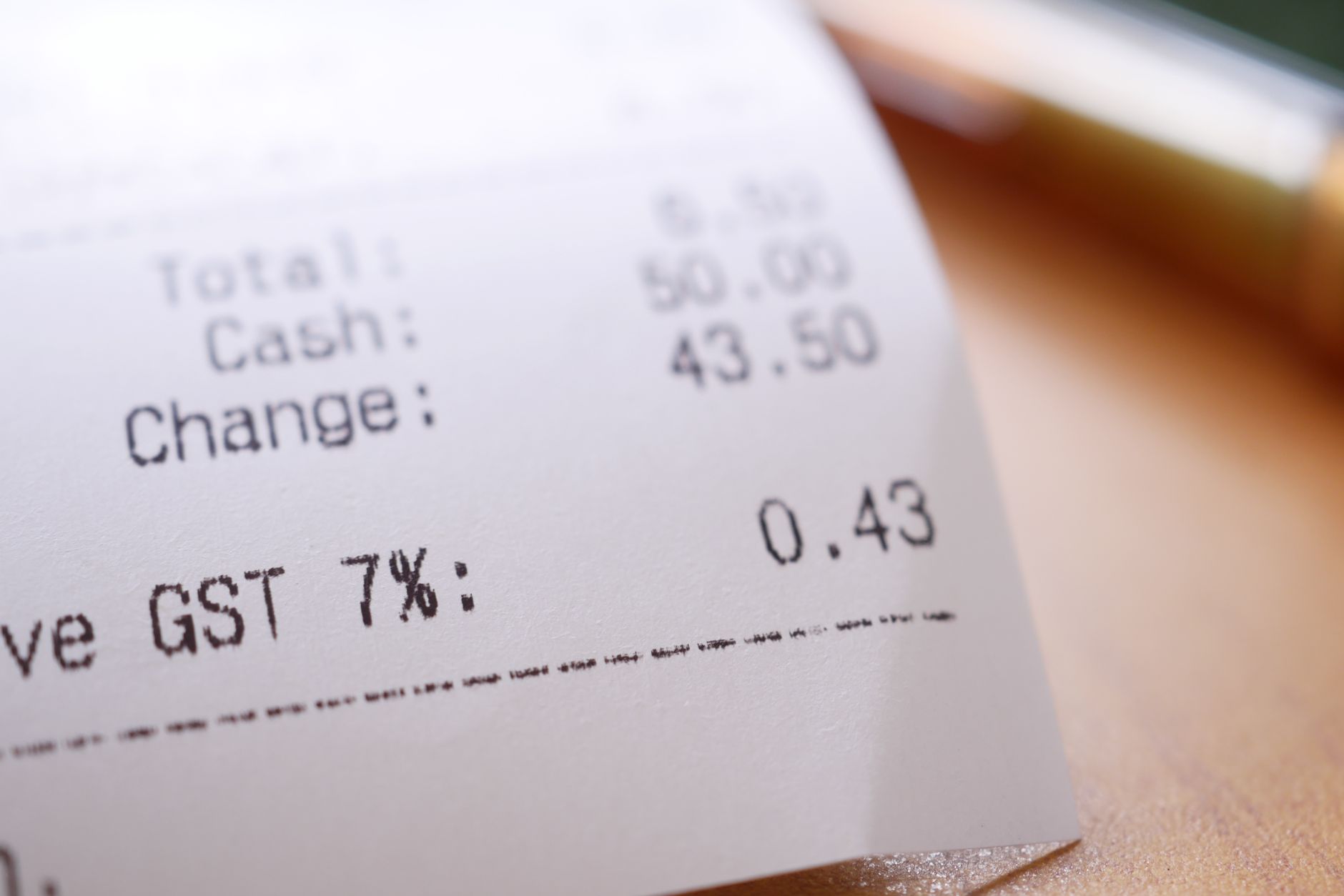
You searched for ‘fake GST billing’ and it’s crucial to understand the implications of this issue. Many individuals and businesses fall victim to fraudulent practices that exploit the GST system.
Understanding Fake GST Billing
Fake GST billing has emerged as one of the most concerning scams in recent years, affecting businesses and the economy at large. Understanding the mechanisms behind this fraudulent activity is crucial for prevention.
Typically, scammers create fictitious invoices that appear legitimate, leading unsuspecting companies to claim false input tax credits. The following are key aspects to understand:
- Types of Scams: These may include fake invoices, non-existent suppliers, or even the manipulation of accounting software.
- Impact on Businesses: Companies caught in such schemes face penalties, audits, and potential legal action.
- Prevention Strategies: Regular audits, employee training, and verification of suppliers can mitigate risks.
Recognizing the signs of fake GST billing is essential to safeguard your business and maintain compliance with tax regulations.
How Fake GST Billing Works
Fake GST billing is a fraudulent practice that exploits the Goods and Services Tax system. It typically involves the generation of fake invoices to claim input tax credits that do not correspond to actual business transactions. This manipulation not only deceives tax authorities but also undermines the integrity of the GST framework.
The process can be broken down into several tactics:
- Creation of fictitious businesses: Scammers establish non-existent companies to issue fake invoices.
- Collusion with suppliers: Some businesses collude with suppliers to generate inflated or nonexistent invoices.
- Use of technology: Advanced software is often employed to fabricate documents that appear legitimate.
This deceptive practice of fake GST billing poses significant risks to the economy and honest taxpayers alike.
The Impact of Fake GST Billing
The impact of fake GST billing extends beyond financial losses, affecting the integrity of the entire taxation system. Businesses engaging in fake GST billing not only evade taxes but also create an uneven playing field for honest companies. This deceit undermines trust in the market and can lead to increased scrutiny from tax authorities.
Additionally, consumers may suffer as businesses that exploit these scams often cut corners, providing subpar products or services. The ripple effects can include:
- Increased prices for genuine goods and services.
- Job losses in sectors affected by fraudulent practices.
- Legal repercussions for businesses inadvertently involved in such schemes.
Ultimately, the ramifications of fake GST billing are profound, highlighting the need for stringent measures to combat this growing issue.
Signs of a Fake GST Scheme
Identifying signs of a fake GST scheme is crucial for businesses and individuals alike. Here are some key indicators to watch for:
- Unusually Low Prices: If a supplier offers goods or services at prices significantly lower than the market rate, it may indicate fake GST billing practices.
- Lack of Proper Documentation: Genuine transactions come with proper GST invoices. Absence of these documents is a red flag.
- Suspicious GST Registration: Verify whether a supplier is registered under GST. Fraudulent entities often use fake registrations.
- Untraceable Transactions: If payments cannot be tracked or are made in cash without proper receipts, this could point to a scam.
Being vigilant about these signs can help prevent falling victim to fake GST billing schemes.
Protecting Yourself from Scams
As the prevalence of fake GST billing continues to rise, it becomes crucial for individuals and businesses to safeguard themselves against potential scams. Here are some effective strategies to protect yourself:
- Verify GST Registrations: Always check the GST registration details of suppliers and clients through official government portals.
- Maintain Accurate Records: Keep thorough and organized documentation of all transactions to easily identify discrepancies.
- Use Trusted Software: Employ reputable accounting software that is designed to detect fraudulent activities.
- Stay Informed: Regularly update yourself on the latest scams and tactics related to fake GST billing.
- Report Suspicious Activity: Immediately report any suspicious invoices or practices to the authorities.
By taking these precautions, you can significantly reduce your risk of falling victim to fake GST billing scams.
Reporting Fake GST Billing Incidents
Reporting fake GST billing incidents is crucial for combating this growing problem. Victims and witnesses should take immediate action to help authorities track down scammers and prevent further fraud. Here are some steps individuals can follow:
- Document Evidence: Collect all relevant information, including invoices, emails, and any communication with the fraudulent party.
- Contact Authorities: Reach out to local law enforcement or the Goods and Services Tax (GST) department to report the scam.
- Notify Financial Institutions: Inform banks or credit card companies if financial transactions were involved in the fake GST billing scheme.
- Spread Awareness: Share your experience with others to help them recognize the signs of such scams and protect themselves.
Taking these steps can significantly aid in addressing fake GST billing incidents effectively.
Photo by Towfiqu barbhuiya on Pexels