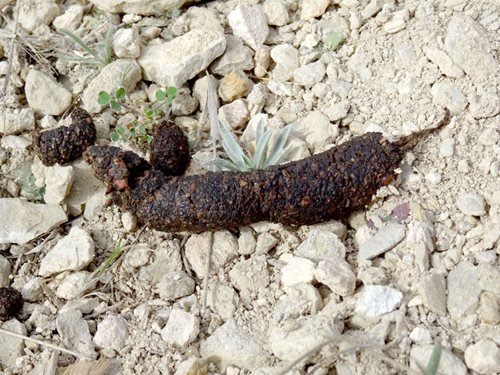
Skunk poop is typically dark in color, cylindrical in shape, and can be up to half an inch in diameter. It often contains undigested seeds, insect parts, and fur. Its distinct smell is another giveaway of its presence. Knowing what skunk poop looks like is essential for identifying potential infestations near your home or property. Keep reading to learn more about this intriguing topic!

What Does Skunk Poop Look Like?
Welcome, curious minds! Today, we are going to delve into the fascinating world of skunks and their poop. You might wonder, what does skunk poop look like? Well, get ready to find out as we explore this smelly topic in detail. Skunks are remarkable creatures, known for their unique defense mechanism and distinct markings. But have you ever taken a closer look at what they leave behind? Let’s uncover the mysteries of skunk poop together!
The Basics of Skunk Poop
Skunk poop, also known as scat, can reveal a lot about these elusive creatures. It serves as a crucial clue for researchers and wildlife enthusiasts to understand skunk behavior, diet, and health. Skunks are omnivores, which means they eat both plants and animals. This varied diet is reflected in their poop, which can vary in appearance depending on what they have consumed.
Size and Shape
Skunk poop is typically small and cylindrical, similar in size to that of a cat. The shape can vary slightly based on the skunk’s diet and health. Healthy skunk poop is well-formed and consistent in shape, while irregularities may indicate underlying health issues.
Color and Texture
The color of skunk poop can range from dark brown to black, depending on what the skunk has eaten. It may also contain visible bits of undigested food, such as seeds or insect exoskeletons. The texture of skunk poop is usually firm, with a smooth surface. Fresh skunk poop may appear shiny due to its moisture content.
Identifying Skunk Poop
Now that we know the basics of skunk poop, how can you identify it in the wild? Skunk scat shares similarities with other animal droppings, so it’s essential to look for specific characteristics that set it apart.
Distinctive Odor
One unmistakable feature of skunk poop is its pungent smell. Skunks possess anal scent glands that they use for defense, emitting a strong odor when threatened. This scent can also be present in their poop, making it easily recognizable even from a distance.
Location and Grouping
Skunks are solitary animals and tend to deposit their poop in specific areas known as latrines. These latrines are often located near their dens or along their regular foraging routes. Skunk poop is typically found in small clusters rather than scattered randomly.
Contents and Consistency
Examining the contents of skunk poop can provide clues about their diet. Look for seeds, insect parts, and other undigested materials. The consistency of skunk poop should be firm and well-formed. If it appears unusually watery or mushy, it could indicate digestive issues.
Importance of Skunk Poop
While skunk poop may not be the most glamorous topic, it plays a crucial role in the ecosystem. By studying skunk scat, researchers can gain insights into the health of skunk populations, their impact on the environment, and their interactions with other species.
Ecological Significance
Skunks are important members of their ecosystems, playing a role in controlling insect populations and plant growth. By analyzing their poop, scientists can assess the diversity of their diet and how it influences the local ecosystem. Understanding skunk behavior can help us better protect their habitats and promote biodiversity.
Health Indicators
Changes in skunk poop consistency, color, or odor can signal underlying health issues. Researchers and wildlife experts monitor skunk scat to detect signs of disease, parasites, or dietary deficiencies. By identifying these problems early, they can intervene to protect skunk populations and prevent the spread of illnesses.
Fun Facts About Skunk Poop
Before we wrap up our exploration of skunk poop, here are some fun facts to leave you with a smile:
1. Skunk Poop Can Help Fertilize Soil
Due to their omnivorous diet, skunks’ poop contains nutrients that can enrich the soil. In the wild, skunk scat contributes to the natural fertilization of plants, promoting healthy growth.
2. Skunk Poop is a Natural Repellent
The strong odor of skunk poop serves as a natural deterrent for predators and competitors. By marking their territories with scat, skunks communicate to other animals to stay away.
3. Skunk Poop is a Secret Message
Skunks use their poop as a form of communication, leaving behind valuable information for other skunks in the area. By depositing their scat in specific locations, they establish boundaries and convey messages to their kin.
Now that we’ve unraveled the mystery of what skunk poop looks like, I hope you have gained a newfound appreciation for these remarkable creatures. Remember, skunk poop may not be the most glamorous subject, but it offers valuable insights into the lives of skunks and their impact on the environment. The next time you come across skunk scat in the wild, take a moment to observe its characteristics and marvel at the hidden stories it holds. Until next time, happy exploring!
Thank you for reading!
What Does Skunk Poop Look Like? Identifying Skunk Feces
Frequently Asked Questions
What characteristics can help identify skunk poop?
Skunk poop is usually tubular in shape and can resemble that of a small dog. It is dark brown or black in color and may contain undigested insect parts or seeds. The smell can also be a key indicator, as skunk feces emit a strong, musky odor.
How can one differentiate skunk poop from that of other animals?
One way to distinguish skunk poop from other animal droppings is by its strong scent. Skunk feces have a distinct, pungent smell that is similar to their spray. Additionally, the size, shape, and color of the droppings can help in identification, as skunk poop tends to be smaller and darker compared to many other animals.
Is it important to identify skunk poop in your yard or property?
Identifying skunk poop in your yard or property is crucial for several reasons. Skunks can carry diseases such as rabies, and their feces may contain parasites that can be harmful to humans and pets. By recognizing skunk droppings, you can take necessary precautions to prevent encounters or infestations.
Final Thoughts
Skunk poop is typically dark brown or black in color and can appear twisted or tapered at the ends. It often contains undigested food such as seeds or insect exoskeletons. Identifying skunk droppings can help homeowners determine if skunks are present in the area. If you come across cylindrical feces about half an inch in diameter, it’s important to take precautionary measures against potential skunk activity. Remember, understanding what skunk poop looks like can aid in effective wildlife management strategies.


