
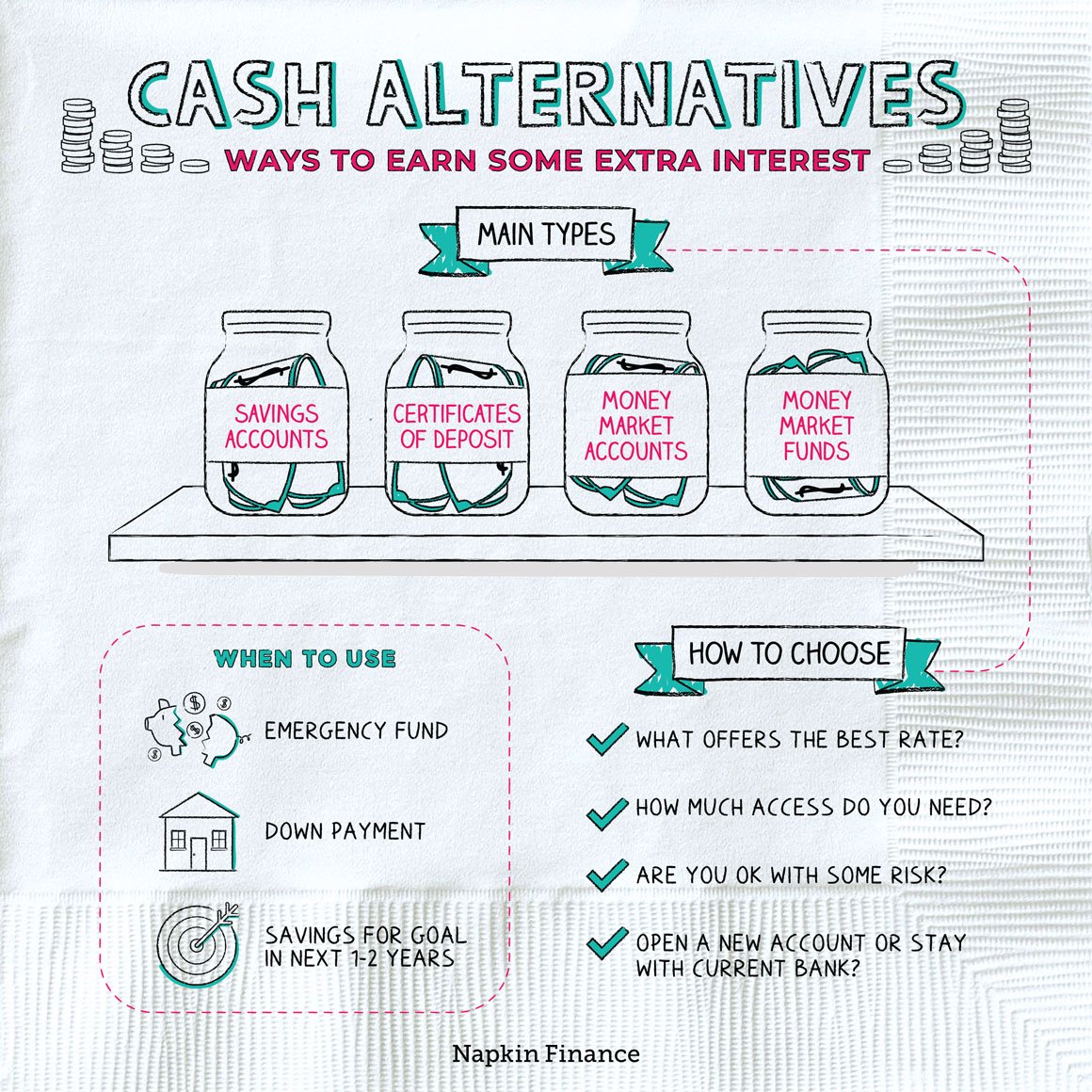
Cash alternatives are investment options that provide liquidity and security as an alternative to holding cash. These instruments offer opportunities for potential returns while maintaining relatively low risk. Examples include money market funds, short-term bonds, and certificates of deposit. Investors often turn to cash alternatives to park funds temporarily or as a safe haven during market uncertainty. Understanding what cash alternatives are and how they can fit into an investment strategy is essential for financial stability and growth. Explore the features and benefits of cash alternatives to make informed decisions for your financial portfolio.

What Are Cash Alternatives – Exploring Different Options
Welcome to our blog post where we will delve into the world of cash alternatives. If you’ve ever wondered about different ways to manage your money besides holding physical cash, then you’re in the right place. In this article, we will cover various options that can serve as alternatives to cash, helping you understand how to make your money work for you.
Understanding the Concept of Cash Alternatives
Before we dive into the different types of cash alternatives, let’s first understand what cash alternatives are. Cash alternatives are essentially methods or assets that can be easily converted into cash or used as a substitute for cash. While cash provides liquidity and immediate spending power, cash alternatives offer ways to potentially grow your funds or earn a return while maintaining accessibility.
The Importance of Having Cash Alternatives
Having cash alternatives is crucial for a well-rounded financial plan. While cash itself is essential for emergencies and everyday expenses, keeping all your money in cash can limit your potential for growth. By exploring different cash alternatives, you can diversify your investments and optimize your financial resources.
Types of Cash Alternatives
1. Savings Accounts
Savings accounts are a popular cash alternative offered by banks and credit unions. They provide a safe place to store your money while earning interest on your deposits. Savings accounts offer easy access to your funds, making them a convenient option for short-term savings goals or emergency funds.
2. Money Market Accounts
Money market accounts are similar to savings accounts but typically offer higher interest rates. These accounts may require a higher minimum balance, but they provide better returns on your savings. Money market accounts are also considered low-risk investments, making them a suitable cash alternative for conservative investors.
3. Certificates of Deposit (CDs)
Certificates of Deposit, or CDs, are time deposits offered by banks with fixed terms and interest rates. When you invest in a CD, you agree not to withdraw the funds for a specified period in exchange for a higher interest rate. CDs are ideal for individuals looking to earn a guaranteed return on their savings over a set period.
4. Treasury Bills (T-Bills)
Treasury bills, or T-Bills, are short-term government securities that are backed by the U.S. Treasury. T-Bills are considered one of the safest investments because they are guaranteed by the government. Investors can purchase T-Bills at a discount and receive the full face value upon maturity, making them a reliable cash alternative.
5. Money Market Funds
Money market funds are mutual funds that invest in short-term, high-quality securities such as Treasury bills and commercial paper. These funds aim to maintain a stable net asset value (NAV) of $1 per share, making them a low-risk option for investors seeking cash alternatives with a potential for slightly higher returns.
Factors to Consider When Choosing Cash Alternatives
When deciding on the best cash alternatives for your financial goals, it’s essential to consider several factors:
- Interest rates offered
- Minimum balance requirements
- Liquidity and accessibility
- Risk tolerance
- Investment time horizon
By evaluating these factors and understanding your investment objectives, you can select cash alternatives that align with your financial needs and preferences.
Exploring cash alternatives is a smart way to optimize your finances and make your money work harder for you. Whether you’re saving for a short-term goal, building an emergency fund, or diversifying your investment portfolio, understanding the various options available can help you make informed decisions about where to allocate your funds. Remember to consider your financial goals, risk tolerance, and time horizon when evaluating cash alternatives to build a well-rounded financial plan.
What Are Cash Alternatives? – AssetsandOpportunity.org
Frequently Asked Questions
What are cash alternatives?
Cash alternatives refer to investment options that provide liquidity and stability while offering potentially higher returns than traditional savings accounts. These alternatives include money market accounts, certificates of deposit (CDs), Treasury bills, short-term bonds, and high-yield savings accounts.
How do cash alternatives differ from traditional savings accounts?
Cash alternatives typically offer a slightly higher return than traditional savings accounts. While savings accounts focus on preserving capital, cash alternatives aim to generate modest income while maintaining liquidity and low risk. Cash alternatives often have slightly higher minimum deposit requirements compared to savings accounts.
Are cash alternatives safe investments?
Generally, cash alternatives are considered safe investments because they prioritize capital preservation and liquidity. However, like all investments, they still carry some level of risk. For example, while Treasury bills are backed by the U.S. government and are considered very safe, other cash alternatives like high-yield savings accounts may involve slightly higher risk.
What factors should be considered when choosing cash alternatives?
When selecting cash alternatives, consider factors such as liquidity needs, risk tolerance, investment goals, and time horizon. Evaluate the interest rates offered, any fees or penalties associated with the investment, and the creditworthiness of the institution offering the cash alternative.
Final Thoughts
In conclusion, cash alternatives are essential investment options that provide liquidity and safety. These alternatives include money market accounts, certificates of deposit, and short-term bond funds. Investors can diversify their portfolios and earn potential returns while maintaining access to funds. Understanding what cash alternatives are can help individuals make informed decisions based on their financial goals and risk tolerance.


