
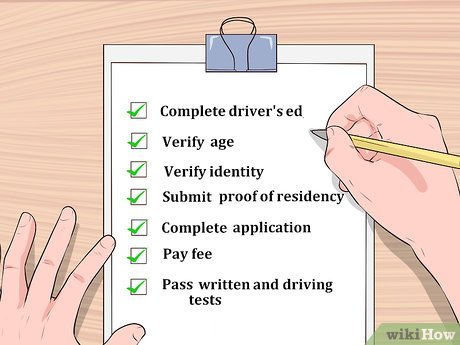
You need a clear roadmap to navigate the process of obtaining your license. First, ensure you have the necessary documents on hand, such as proof of identity and residency. Next, schedule a knowledge test and practice diligently to ace it. Finally, prepare for the road test by getting ample practice behind the wheel. Understanding what you need to get your license is the key to smooth sailing through the licensing process. Let’s dive deeper into the essential steps you must take to achieve this milestone.

What I Need to Get My License
Introduction
So you’re ready to take the big step of getting your driver’s license! Congratulations on reaching this exciting milestone. But before you can hit the road, there are a few things you need to have in place. In this detailed guide, we’ll walk you through everything you need to know about what it takes to get your license and become a safe and responsible driver.
Age Requirements
The first thing you need to consider when getting your license is your age. Most places have a minimum age requirement for obtaining a driver’s license. In the United States, for example, the minimum age to apply for a learner’s permit is typically around 15 or 16 years old, depending on the state. Make sure to check the specific age requirements in your area before you start the process.
Driver’s Education
One of the key components of getting your license is completing a driver’s education course. These courses are designed to teach you the rules of the road, safe driving practices, and essential skills you need to be a competent driver. Many states and countries require new drivers to pass a driver’s education course before they can get their license. These courses can be taken at driving schools, online, or sometimes even at your high school.
Classroom Sessions
During a driver’s education course, you’ll typically have classroom sessions where you learn about traffic laws, road signs, and other important information. Pay attention in these classes and take notes so you can remember everything when you’re out on the road.
Behind-the-Wheel Training
In addition to classroom sessions, driver’s education courses also include behind-the-wheel training. This is where you’ll get to practice driving with a certified instructor who will teach you how to operate a vehicle safely. Make the most of these training sessions by asking questions, practicing different driving scenarios, and improving your skills behind the wheel.
Learner’s Permit
Once you’ve completed your driver’s education course, the next step is to apply for a learner’s permit. A learner’s permit allows you to practice driving under the supervision of a licensed adult before you can get your full driver’s license.
Required Documents
To apply for a learner’s permit, you’ll typically need to provide certain documents, such as proof of identity, proof of residency, and sometimes even proof of completion of a driver’s education course. Make sure you have all the necessary documents before you head to the DMV or licensing agency to apply for your permit.
Passing the Written Test
To get your learner’s permit, you’ll usually need to pass a written test that covers topics like traffic laws, road signs, and safe driving practices. Study the driver’s manual provided by your state or country to prepare for the test. Once you pass the written test, you’ll be issued your learner’s permit, and you can start practicing driving with a licensed adult.
Practice, Practice, Practice
Now that you have your learner’s permit, it’s time to start practicing your driving skills. Take every opportunity to practice driving in different conditions, such as on highways, in heavy traffic, and at night. The more practice you get, the more confident you’ll become behind the wheel.
Supervised Driving Hours
Many places require new drivers to complete a certain number of supervised driving hours before they can apply for their full driver’s license. Make sure to keep track of your supervised driving hours and log them accurately to meet this requirement.
Driving with a Licensed Adult
When driving with your learner’s permit, always make sure to have a licensed adult in the car with you. This person should be a responsible driver who can guide you and provide feedback as you practice your skills. Listen to their advice and learn from their experience to become a better driver.
Passing the Road Test
Once you’ve completed your required practice hours and feel confident in your driving abilities, it’s time to take the road test to get your full driver’s license. The road test is designed to assess your driving skills in real-world situations and ensure that you can operate a vehicle safely.
Preparing for the Road Test
Before taking the road test, make sure to review everything you’ve learned in your driver’s education course and practice sessions. Pay attention to common mistakes new drivers make, such as failing to signal, not checking blind spots, or speeding. Practice these skills until you feel comfortable and confident in your abilities.
Tips for Success
On the day of your road test, remember to stay calm and focused. Follow the examiner’s instructions, obey traffic laws, and demonstrate safe driving practices. Practice good habits like checking your mirrors, using your turn signals, and maintaining a safe following distance. With practice and confidence, you’ll be well on your way to passing your road test and getting your driver’s license.
Getting your driver’s license is an exciting and important milestone in your journey to independence. By following the steps outlined in this guide and putting in the effort to learn and practice your driving skills, you’ll be well-prepared to pass your road test and become a safe and responsible driver. Remember, driving is a privilege that comes with great responsibility, so always prioritize safety and follow the rules of the road. Good luck on your journey to getting your license!
How to Pass Your Driving Test
Frequently Asked Questions
What are the requirements to get a driver’s license?
To get a driver’s license, you typically need to be of a certain age, pass a written knowledge test, complete a driver’s education course, and pass a driving skills test. Additionally, you may need to provide identification documents and proof of residency.
How old do I need to be to apply for a driver’s license?
The minimum age requirement to apply for a driver’s license varies by state or country. In most places, you need to be at least 16 years old to apply for a learner’s permit and 18 years old to apply for a full driver’s license. However, some regions may have different age requirements.
Do I need to pass a written test to get my driver’s license?
Yes, in most cases, you will need to pass a written knowledge test to obtain a driver’s license. The test typically covers traffic laws, road signs, and safe driving practices. You can prepare for the test by studying the driver’s handbook provided by the licensing authority.
What is a behind-the-wheel driving test, and do I need to take it to get my license?
A behind-the-wheel driving test is a practical examination where you demonstrate your driving skills under the supervision of a licensing examiner. In many jurisdictions, passing this test is a requirement to obtain a driver’s license. During the test, you will be evaluated on your ability to operate a vehicle safely and follow traffic rules.
Final Thoughts
To get your license, you’ll need a valid identification, proof of residency, and to pass the required tests. Make sure you have all necessary documents before heading to the DMV. Don’t forget to study and practice driving skills to increase your chances of passing the tests successfully. Remember, what you need to get your license is preparation and the right documents. Good luck on your journey to becoming a licensed driver!